The Dirty Little Secret Behind Fashion Week Feeds: How the Pros Actually Wear Their Clothes
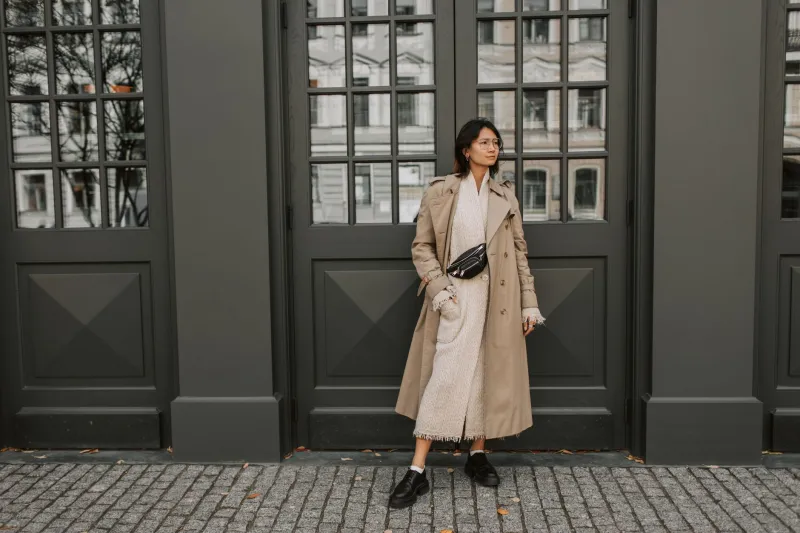
Scroll through any fashion editor's Instagram grid and you'd be forgiven for thinking she has a walk-in closet the size of a Manhattan studio apartment, stuffed floor-to-ceiling with pieces she wears exactly once before moving on. New outfit every day, every event, every coffee run. It looks effortless. It looks expensive. And honestly? It looks exhausting.
Here's what it actually is: a carefully constructed illusion.
The people who work in fashion — the stylists, the editors, the buyers, the creative directors — are, ironically, some of the most strategic rewear-ers on the planet. They just don't post about it. And that gap between what you see on your screen and how clothes actually get worn in the real world is quietly draining your wallet and filling your closet with regret.
What the Data Actually Says About How Often We Rewear Things
A study by the sustainability platform Hubbub found that the average American only wears a garment around seven times before it exits their closet — through donation, resale, or the trash. Seven times. For context, clothing researchers and sustainable fashion advocates generally agree that wearing a piece at least 30 times is the baseline for getting real value out of it.
That gap — seven versus thirty — isn't a style problem. It's a perception problem. We've been conditioned by social media algorithms and fast-fashion marketing to believe that repeating an outfit is somehow a failure of imagination, a signal that we're not keeping up. But the people who actually know clothes? They're laughing at that idea.
"I've worn the same black blazer to probably 200 events," one New York-based fashion stylist told us. "I just style it differently every single time. Nobody notices — or if they do, they think I have great taste."
The Instagram Trick That Makes You Think You Need More
Here's the mechanism that's working against you: social media platforms are built to surface novelty. The algorithm rewards content that feels fresh, and fashion creators — whether they're full-time influencers or just people who love getting dressed — have adapted to that reality. New pieces get more engagement. Hauls get clicks. "What I wore this week" content implies, by design, that nothing is ever worn twice.
But what you're not seeing is the edit. That influencer's grid of 30 different looks might represent 12 core pieces, photographed across different days, in different lighting, with different accessories doing the heavy lifting. The blazer from Tuesday's post? It showed up again three weeks later, tucked differently, worn over a different color, and nobody batted an eye because the algorithm had already buried the original post.
The content machine isn't documenting wardrobes — it's manufacturing the appearance of endless variety. And our brains, wired to compare and keep up, take the bait every single time.
How the Pros Actually Rotate
Fashion insiders operate on what you might call a high-rotation, low-volume model. Their closets tend to be smaller than you'd imagine — curated, intentional, built around pieces that earn their keep by working in multiple contexts.
A senior fashion editor might have five pairs of trousers total, but she knows exactly how each one moves, what it pairs with, and which shoes change the entire vibe. A stylist who dresses celebrities for red carpets has a sharp eye for what photographs well, and she'll pull from her own wardrobe the same way she pulls from a client's rack: strategically, not impulsively.
The pattern tends to look something like this:
- Core pieces (think: a great coat, well-fitted denim, a versatile blazer, a few quality tops) get worn on a weekly or biweekly rotation.
- Statement pieces — the bold print, the sculptural heel, the unexpected color — come out every few weeks and immediately register as "new" to anyone paying attention, even if you bought them two years ago.
- Occasion-specific pieces might only come out a handful of times a year, but they're chosen carefully enough that every wear feels intentional.
The ratio isn't 1:1 — one wear, one piece. It's more like 1:many. One piece, many contexts.
The Psychology of "Outfit Fatigue" (And Why It's Not Real)
There's a reason you feel like you've "worn that to death" after three outings in the same dress. Researchers call it the spotlight effect — the tendency to overestimate how much other people notice what we're wearing. In reality, most people are far too preoccupied with their own appearance and lives to catalog yours.
The feeling of outfit fatigue is almost entirely internal. You're bored of the piece because you remember wearing it, not because anyone else does. And social media amplifies this by creating a permanent, searchable record of what you wore when. You can scroll back and see that you wore that top to brunch in March. But your brunch companions? They've already forgotten.
Fashion psychologists suggest that the antidote isn't buying something new — it's restyling something existing. Change the shoes, add a layer, swap the bag. Your brain registers the outfit as novel even when the anchor piece is the same. It's the same psychological trick those editors are running, and it works just as well outside of Manhattan.
Building a Rotation That Actually Works
If you want to wear your clothes like the pros do — and stop feeling the phantom pull of the "I have nothing to wear" spiral — the shift is less about what's in your closet and more about how you think about it.
Start by tracking your actual wear patterns for a month. Not to judge yourself, but to get honest data. Which pieces are you reaching for constantly? Which ones have been hanging untouched since you bought them? That information is more valuable than any trend report.
Then think in terms of cost-per-wear. A $200 pair of trousers you wear 40 times costs you $5 per wear. A $40 pair you wear twice costs $20. The math flips the fast-fashion logic entirely.
Finally, give yourself permission to repeat — loudly, confidently, without apology. The most stylish people in any room aren't the ones wearing something new. They're the ones wearing something that fits them so well, in a way that feels so intentional, that you can't stop looking.
Instagram wants you to believe that style is about volume. The people who actually live and breathe fashion know it's about rotation. There's a big difference — and your closet (and your credit card) will thank you for learning it.