Why the Biggest Names in Fashion Keep Getting Your Size Wrong
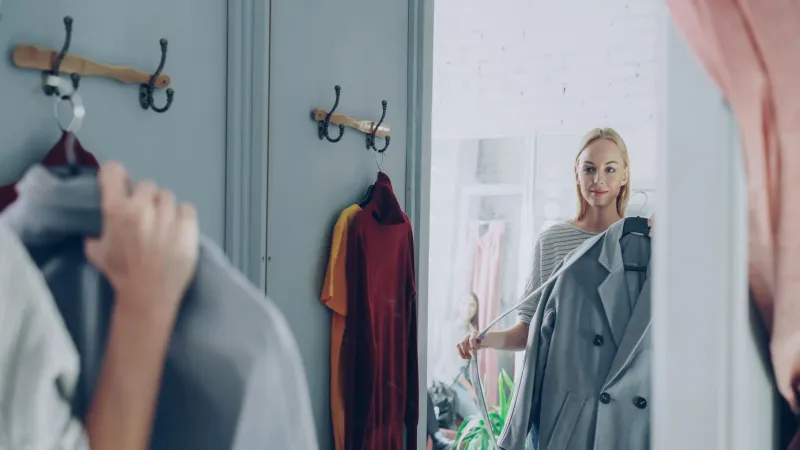
There's a moment every shopper knows. You've saved up, you've waited, you've finally splurged on that coveted designer piece — and then you try it on. The shoulders are off. The waist hits in the wrong place. The sleeves are weirdly long. You tell yourself it's a sizing issue, maybe a you problem, and you start mentally budgeting for alterations before you've even left the fitting room.
Here's the thing: it's not you. And it's not really a sizing issue either. It's a design philosophy problem that runs deeper than most shoppers realize — and once you see it, you can't unsee it.
The Heritage Trap
Luxury fashion houses are, at their core, institutions. Many of the biggest names have been operating for decades, some for over a century, and their design DNA is baked into every pattern block they produce. That's part of what you're paying for — the heritage, the history, the sense that you're wearing something with lineage.
But heritage cuts both ways. Those same pattern blocks, often developed in European ateliers for a very specific body type (think: tall, narrow, with minimal curve variation), haven't evolved as dramatically as the actual bodies wearing them. Sizing charts get updated occasionally, but the fundamental architecture of how a garment is constructed tends to stay rooted in tradition.
The result? A $1,200 blazer that's technically your size but sits like it was made for someone a few inches taller and a few decades removed from your actual proportions.
What Emerging Brands Are Doing Differently
Smaller, trend-forward brands — the kind that launched on Instagram three years ago or popped up on your radar through a TikTok haul video — don't have the luxury of coasting on reputation. They have to earn every sale, and that means their fit actually has to work.
Many of these brands build their sizing from scratch using real customer feedback, direct-to-consumer data, and a much broader range of fit models than traditional fashion houses ever bothered with. When your entire business depends on five-star reviews and repeat purchases, you get very motivated to make sure the waistband lands where it's supposed to.
There's also a proportions-first mentality at play. Newer brands, especially those targeting the US market, tend to design around American body proportions rather than adapting European cuts after the fact. That's a meaningful difference. A brand that starts with your proportions in mind versus one that retrofits them into an existing template will almost always produce something that feels more natural on your body.
The Manufacturing Reality Nobody Talks About
Here's where things get a little uncomfortable: luxury pricing doesn't always translate to superior construction. Some of it does — fine fabrics, hand-finishing, careful quality control. But a significant chunk of what you're paying for at the top of the market is brand equity, not necessarily craftsmanship that shows up in the fit.
Meanwhile, a growing number of mid-range and emerging brands are sourcing from the same factories that produce for major labels, using similar fabric grades, but investing more heavily in the pattern-making and fit-testing stages. The fit is the product for these brands in a way it simply isn't for a heritage house that knows customers will buy regardless.
That's not a knock on luxury — it's just an honest look at where the priorities live. When your brand name carries enough cultural weight, fit becomes almost secondary. When your brand name is still building recognition, fit is everything.
What This Means for How You Shop
The practical takeaway here isn't to swear off designer pieces forever. It's to stop using price as a proxy for fit quality. They are not the same thing, and treating them as equivalent is one of the most expensive mistakes a fashion-forward shopper can make.
Before you commit to anything — whether it's a $45 dress or a $450 one — ask yourself a few honest questions:
Who was this designed for? If a brand primarily shows its runway looks on a very narrow range of body types and doesn't publish diverse fit imagery, that's useful information about who their pattern blocks were built around.
Does this brand update its sizing? Brands that regularly refine their fit based on customer returns and feedback will almost always produce better-fitting garments over time. Look for size guides that include real measurements rather than just generic S/M/L labels.
What's the alteration cost? If you're consistently budgeting for tailoring on pieces from the same brand, that's a signal worth paying attention to. Some alterations are minor and worth it. But if every purchase needs work, the brand's fit philosophy and your body are just not aligned — and no amount of brand loyalty changes that math.
The Brands Getting It Right
Some of the most consistently well-fitting pieces available right now are coming from brands you might not have heard of two years ago. Labels that built their entire identity around accessible sizing, extended ranges, and fit-first design are quietly reshaping what American shoppers expect from their clothes.
Think about the brands that offer detailed size charts with actual body measurements, that show the same piece on multiple body types, that have entire sections of their site dedicated to helping you find your fit rather than just your size. Those aren't marketing gimmicks — they're evidence of a brand that built fitting into the design process from day one.
That's the shift worth paying attention to. Not just which logo is on the label, but which brand actually thought about your body when they were making the thing.
Redefining What "Worth It" Actually Means
The fit paradox is really a values paradox. For a long time, the fashion industry trained shoppers to equate high price with high quality, and high quality with superior fit. But those three things have never been as tightly linked as the marketing suggested.
A piece that fits you beautifully, that makes you feel put-together the second you put it on, that doesn't require a trip to the tailor before you can wear it out — that's the real luxury. And increasingly, that experience is coming from brands that are hungry, data-driven, and building their reputations one well-fitted garment at a time.
So the next time you're standing in a fitting room wrestling with a designer piece that just won't cooperate, give yourself permission to put it back. Your money and your body both deserve better than a label that stopped listening to its customers decades ago.