Stop Buying More, Start Fitting Better: The Tailoring Secret That Changes Everything
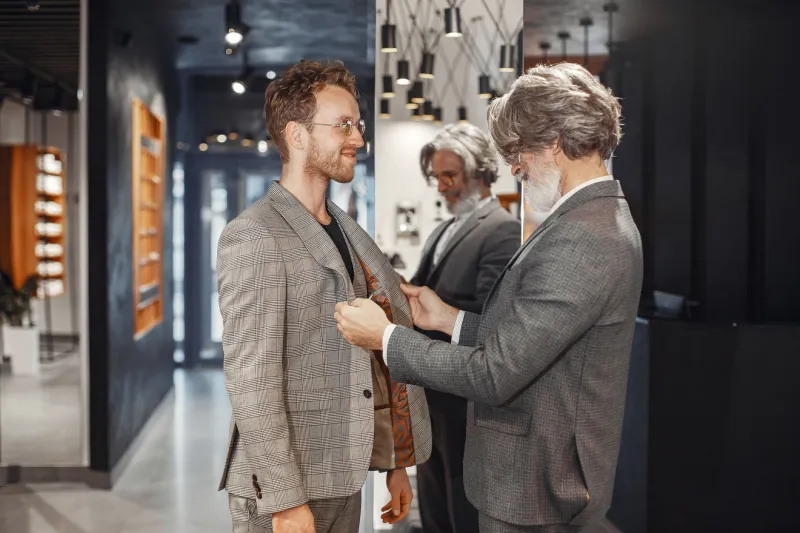
Here's a scenario that probably sounds familiar: you're standing in front of a closet packed with clothes, and somehow, nothing feels right. The pants are a little too long. The button-down pulls slightly at the shoulders. The blazer fits through the chest but bunches weirdly at the waist. So what do you do? You open a new browser tab and start shopping.
But what if the problem isn't your wardrobe — it's the fit?
Tailoring is one of those things most people associate with bespoke suits and black-tie events. In reality, it's the single most underused tool in everyday dressing. And once you understand what a properly fitted garment actually does for your silhouette — and your confidence — you'll start seeing your existing closet in a completely different light.
Why Fit Is the First Thing People Notice
Before color, before brand, before price point, the human eye reads proportion and fit. A $40 pair of trousers hemmed to the perfect break will consistently look more polished than a $200 pair that drags on the floor. That's not an opinion — it's the visual psychology of how clothing communicates quality.
When something fits well, it moves with your body instead of fighting it. It creates clean lines. It makes you look intentional. And maybe most importantly, it makes you feel like you got dressed on purpose — which, it turns out, has a significant effect on how you carry yourself throughout the day.
Research in the field of enclothed cognition (yes, that's a real thing) suggests that the symbolic meaning we attach to our clothing influences our psychological state. A blazer that fits like it was made for you signals authority and put-togetherness — to others and to yourself. One that's slightly off in the shoulders does the opposite, even if you can't quite articulate why.
The Real Cost of Replacement vs. Alteration
Let's talk numbers, because this is where tailoring makes a genuinely compelling case for itself.
Say you have a pair of wide-leg trousers you bought last spring. You love the fabric, you love the color, but the waist gaps and the length is just slightly off. The impulse is to replace them — maybe $80 to $150 for a new pair that might have the same issues straight off the rack. A tailor can take in the waistband and hem them for somewhere between $20 and $40 depending on your city and the complexity of the job.
Here's a realistic breakdown of common alterations and what they typically run at a mid-range alterations shop in the US:
- Hem pants or jeans: $12–$25
- Take in or let out a waistband: $15–$35
- Shorten sleeves on a blazer or jacket: $25–$50
- Take in the sides of a dress or top: $20–$40
- Replace a zipper: $15–$30
- Taper a shirt or blouse: $20–$35
Now compare that to the cost of replacing even one of those items. A single well-made blazer runs $100 to $300. A quality dress, $80 to $200. When you frame it that way, spending $30 to $50 to make a piece you already own look exceptional starts to feel less like an indulgence and more like the obvious move.
The Pieces That Deliver the Highest Return
Not everything needs to visit a tailor. A flowy linen top is forgiving by design. Oversized knitwear is meant to drape. But certain foundational pieces pay back the investment in alterations almost immediately.
Blazers and structured jackets are at the top of the list. The shoulder seam is the most critical fit point on any jacket — if it doesn't sit correctly, the whole garment looks off. A tailor can also nip the waist, shorten the body length, and adjust sleeve length, all of which dramatically elevate how a blazer reads on your frame.
Trousers and dress pants are the second biggest opportunity. Hem length alone changes the entire proportion of an outfit. Pair that with a waist adjustment, and suddenly pants that were sitting in your closet unworn become a go-to.
Button-down shirts are notorious for fit issues — too boxy through the torso, too long in the hem, sleeves that hit at the wrong point on the wrist. Tapering a shirt through the sides is one of the simpler alterations and one of the most visually impactful.
Dresses and skirts round out the list. Hemming a midi dress to hit at your most flattering point, or taking in a shift dress that's slightly too wide, can turn a piece from «almost» to «actually perfect."
How to Find a Tailor You Trust
If you've never used a tailor before, the process feels more intimidating than it actually is. Start by asking around — local dry cleaners often have in-house alteration services, and word-of-mouth recommendations from friends or coworkers tend to be reliable.
When you go in for the first time, bring a piece you're not too precious about and describe clearly what's bothering you about the fit. A good tailor will look at the garment on your body, pin it, and explain what's possible. They'll also tell you if something isn't worth altering — which is useful information in itself.
Before committing to anything, ask for a price upfront. Most reputable shops are transparent about costs, and there's no obligation to proceed if the quote doesn't make sense for the value of the piece.
The Mindset Shift That Makes It Stick
Adopting tailoring as a regular part of your wardrobe routine requires a small but meaningful shift in how you think about getting dressed. Instead of asking "does this fit perfectly off the rack?" — a standard almost nothing meets — start asking "is this worth altering?"
That reframe opens up a wider range of options when you shop, too. A sale rack piece in a great fabric that runs slightly large becomes a candidate instead of a pass. A vintage find that hits all the right aesthetic notes but needs a hem adjustment stops being a maybe and becomes a yes.
Your wardrobe doesn't need more pieces. It needs the pieces you already have to work harder. And a tailor, more often than not, is the person who makes that happen.
The best-dressed people you know aren't necessarily spending more — they're just fitting better. That's the formula.